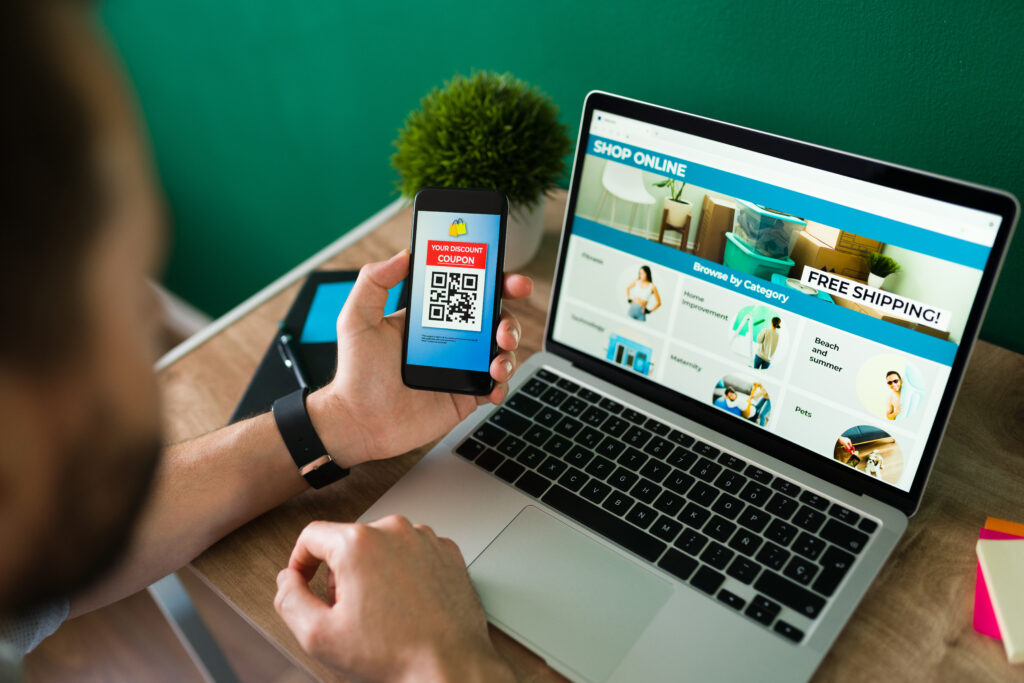
In today’s digital-first world, businesses often face a crucial question: Should you focus more on your website or rely heavily on social media to drive sales? Both play vital roles in online growth, but the real answer depends on your business goals, target audience, and marketing strategy. Let’s break down the strengths and weaknesses of each channel so you can make a smarter decision.
The Power of Websites
Your website is your digital storefront. It’s the one place on the internet that you fully control — no algorithms, no sudden policy changes, and no third-party restrictions.
Advantages of a Website:
Complete Ownership: You control the design, content, and customer journey.
Brand Credibility: A professional website builds trust and authority.
SEO Benefits: With the right SEO strategy, your website can bring long-term organic traffic from Google.
Sales Integration: E-commerce websites can integrate payment gateways, lead forms, and CRMs seamlessly.
Data Collection: Analytics tools (like Google Analytics) provide insights about visitors, conversions, and sales trends.
Limitations:
Initial Cost: Building and maintaining a quality website requires investment.
Traffic Dependence: Without SEO or marketing, your site may struggle to attract visitors.
The Power of Social Media
Social media platforms like Instagram, Facebook, LinkedIn, and TikTok help businesses connect directly with audiences. With billions of active users, they are powerful tools for brand awareness and engagement.
Advantages of Social Media:
Massive Reach: Tap into global audiences instantly.
Direct Engagement: Real-time interaction with customers builds loyalty.
Viral Potential: Creative content can spread rapidly and attract new customers.
Targeted Ads: Advanced advertising features help reach highly specific customer groups.
Low Entry Barrier: Easy to start with minimal cost.
Limitations:
No Ownership: Platforms can change rules, ban accounts, or limit reach.
Short Attention Span: Posts disappear quickly in the content flood.
Limited Conversions: Great for awareness but not always the best for direct sales.
🚀 Website vs. Social Media – Which Drives More Sales?
Websites generally drive more direct sales, especially for e-commerce and service-based businesses. Visitors are already interested, and with proper CTAs, sales funnels, and checkout systems, conversions are higher.
Social Media is excellent for discovery and lead generation. It warms up potential customers, creates brand recognition, and pushes them toward your website.
The truth? They work best together. Use social media to attract and engage, then direct traffic to your website to convert.
Final Takeaway
If you want long-term sales growth, investing in a professional website is non-negotiable. However, ignoring social media means missing out on a huge audience. The winning strategy is to:
Build a strong website as your sales hub.
Leverage social media to drive traffic and build relationships.
Integrate both with consistent branding, lead magnets, and retargeting ads.
This combination ensures your business is not just visible — but also profitable.
Tags :
Grow Your Business Online
Post Related